
Keeping the Character Alive While Upgrading Your Windows
There is something special about older homes that you just cannot recreate from scratch. Maybe it is the uneven lines, the soft light coming through traditional windows, or the quiet sense of history built into the walls. But as charming as these homes are, they do come with challenges, especially when it comes to windows. Drafts, rattling frames, and rising energy bills can slowly take away from the comfort of living in a beautiful period property.
That is where the idea of upgrading comes in. Not replacing character, but supporting it. The goal is never to strip away what makes a home unique, but to carefully improve what already exists so it works better for modern living.
Why Old Windows Start to Struggle Over Time
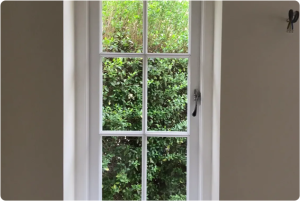
Timber windows in older homes were often built with incredible craftsmanship, but time always leaves its mark. Years of weather exposure, moisture, and temperature changes can cause wood to expand, shrink, or weaken. Paint starts to peel, frames loosen, and suddenly the windows that once looked perfect begin to feel tired.
The biggest issue most homeowners notice is insulation. Cold air sneaks in during winter, and heat escapes without much resistance. This not only affects comfort but also increases energy costs. And yet, fully replacing these windows with something generic often feels like the wrong move, especially in homes with strong architectural identity.
Finding the Balance Between Old and New
This is where thoughtful planning makes all the difference. The aim is not to modernize for the sake of it, but to improve performance while keeping the original look intact. Many homeowners today are turning toward heritage windows replacement Devon options that respect traditional design while quietly improving functionality.
This approach focuses on maintaining proportions, materials, and visual details that define the home. Instead of bulky frames or mismatched finishes, the windows are crafted to blend seamlessly with the building. From the outside, they feel original. From the inside, they perform like something much newer.
Craftsmanship Still Matters
One thing that often gets overlooked in renovation projects is the importance of craftsmanship. Windows are not just pieces of glass set into a frame. They are carefully constructed elements that need precision, balance, and skill.
When joinery is done properly, everything feels different. Windows open smoothly, close securely, and sit perfectly within their frames. Timber is selected with care, joints are tight and durable, and finishes are applied in a way that protects the material while enhancing its natural beauty.
This kind of attention to detail is especially important in heritage homes, where even small design changes can stand out. The goal is subtle improvement, not obvious replacement.
Respecting the Character of the Property
Every period home has its own personality. Some have elegant sash windows with delicate glazing bars, while others feature simpler casement designs. These details might seem minor, but they play a big role in how the building is perceived.
When upgrading windows, it is essential to respect these original features. The size, shape, and style should remain consistent with the rest of the property. Even things like paint color and hardware choice can influence how well the new windows blend in.
Done right, the upgrade feels invisible. The home keeps its charm, while quietly becoming more comfortable and efficient.
Modern Performance Without the Trade Off
One of the biggest advantages of updating older windows is improved performance. Modern glazing techniques help reduce heat loss, improve sound insulation, and make interiors feel more stable throughout the year.
This does not mean turning your home into something overly modern or clinical. With the right approach, you can have the benefits of better insulation and durability without losing the warmth and character that made you fall in love with the property in the first place.
It is about bringing the best of both worlds together in a way that feels natural.
A Process That Starts With Understanding
Good results rarely come from rushed decisions. The best window upgrades usually begin with a proper understanding of the building itself. What condition are the current windows in? Which elements can be preserved? What needs to be replaced?
From there, careful measurements, design planning, and material selection come into play. Each step builds toward a final result that is not just functional, but also visually in tune with the home.
When this process is handled with care, it reduces the risk of mistakes and ensures the finished windows feel like they have always belonged there.
Thinking Long Term
Replacing or upgrading windows is not something most people want to do repeatedly. It is a long term investment, both in the value of the property and in everyday comfort.
Timber windows, when properly crafted and maintained, can last for decades. They can also be repaired and refinished over time, which makes them a more sustainable choice compared to materials that need full replacement when damaged.
This long-term perspective is especially important in heritage homes, where preserving the building for future generations often matters just as much as improving it for current living.
A Final Thought
Living in a period home is about more than just owning a property. It is about being part of its story. Every detail, from the layout to the windows, contributes to that experience.
Upgrading your windows does not mean losing that story. When done thoughtfully, it actually strengthens it. You keep the charm, improve the comfort, and create a space that works beautifully for everyday life without forgetting where it came from.
Leave a Reply