
Why Churches Are Getting Smarter About Streaming And Media Setup
Not long ago, most churches were happy just getting a livestream online without too many technical disasters. A blurry camera and uneven sound were almost expected. But now online ministry has become something much bigger. People watch services from home, during travel, while recovering from illness, or even before visiting a church in person for the first time. That shift has made many ministries realise streaming is no longer just an extra feature sitting quietly in the background.
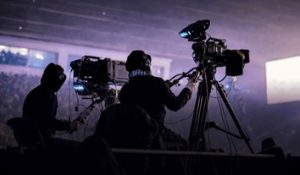
The challenge is that technology can quickly become overwhelming when churches try to manage everything alone. Cameras, audio, internet stability, volunteer training, platform setup, and content organisation all start piling up at once. That is where having proper guidance suddenly becomes valuable.
Helping Churches Create Better Online Experiences Without Stress
One thing many ministries discover quite late is that better streaming is not always about spending more money. In fact, some churches buy expensive equipment that barely gets used properly because nobody feels confident running it.
Keep The System Practical And Easy To Manage
The best church setups are usually the ones volunteers can operate comfortably every single week. A clean and reliable system always works better than complicated technology that constantly causes panic before services begin.
Simple camera placement, balanced audio, proper lighting, and stable internet connections often improve the viewing experience far more than expensive production effects. Churches that focus on usability first usually build stronger long term systems.
Many ministries exploring Church streaming consultancy are really just looking for practical direction on how to simplify things rather than make them more advanced.
Train Volunteers Slowly Instead Of Rushing
A common issue in churches is relying on one highly technical person who eventually burns out. Healthier teams spread responsibilities across several volunteers and train people gradually.
One person might learn sound mixing while another handles slides or livestream monitoring. Over time the whole media team becomes more confident, and services start running more smoothly without constant pressure sitting on one individual.
Think Beyond Sunday Mornings
Streaming should not feel limited to weekly services only. Churches now use digital platforms for Bible studies, worship nights, youth discussions, community announcements, and even local outreach projects.
When content is shared consistently throughout the week, online viewers feel far more connected to the church community as a whole. It becomes less about watching an event and more about participating in ongoing ministry life.
This is also why many churches are paying closer attention to AV solutions for churches that support both in person gatherings and online engagement together rather than treating them as separate worlds.
Make Online Viewers Feel Seen
One small detail that changes everything is acknowledging online viewers during the service itself. A simple welcome at the beginning helps people feel included instead of forgotten.
Responding to comments, sharing prayer requests, and creating opportunities for interaction also help online ministry feel more personal. Technology works best when it strengthens connections rather than replacing them.
Conclusion
Church streaming does not need to feel complicated or intimidating. Most of the time, the strongest online ministries are simply the ones that stay consistent, approachable, and people-focused. With the right mindset and practical systems in place, churches can create online spaces that genuinely help people stay connected, encouraged, and involved, no matter where they are watching from.



Leave a Reply