
Drone surveying in coastal Wales giving builders clearer site insight
Working on construction projects near the coast often feels like a balancing act between weather, terrain, and time. Sites can change quickly, especially where wind and tides influence ground conditions. Traditional surveying still plays a role, but more teams are quietly leaning on aerial perspectives to get a better sense of what is actually happening on the ground. It is less about replacing old methods and more about filling in the gaps that slow things down. When planners can see a full site from above, decisions tend to come together faster. This shift in perspective makes modern surveying useful in everyday building work.
Why drone surveying is changing how builders read coastal construction
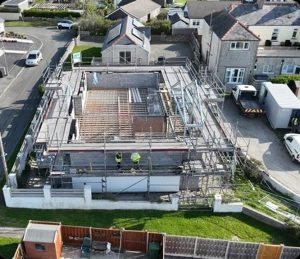
On many coastal projects, teams are finding that digital mapping changes how they approach planning from day one. Instead of relying only on scattered measurements, they can view the whole layout in one place and adjust before work even begins. This is especially noticeable in places where access is tricky and conditions shift often. One example often mentioned in field discussions is drone construction surveying in Holyhead, Anglesey, where aerial views help make sense of uneven ground and tight working zones. It gives crews a clearer picture without needing constant site walks, which saves both time and effort. The real value is not just in the images but in how those images help everyone speak the same visual language during planning.
Reading ground levels without walking every metre
Walking across large sites to understand ground levels used to be normal, but it is not always practical when deadlines are tight. Aerial data helps teams spot gradients, dips, and obstacles without covering every corner. It also reduces the risk of missing details that can grow into bigger issues later. From above, the land tells a clearer story that is easier to interpret during early planning. It is a simple shift that helps reduce guesswork and keeps decisions more grounded.
Keeping teams aligned with shared visuals
One of the quieter benefits of aerial surveying is how it brings teams onto the same page. Engineers, site managers, and contractors often see problems differently, which can slow communication. Shared visuals help cut through that. Instead of long explanations or repeated visits, everyone refers to the same updated view of the site. This reduces confusion and keeps discussions focused on solutions rather than interpretations. It also helps when projects move quickly, because updates can be understood at a glance.
Why local conditions matter more than ever
Coastal environments bring challenges that are easy to underestimate if you are only looking from the ground. Weather changes, salt exposure, and uneven terrain all affect how a project unfolds. A wider view helps teams anticipate these factors earlier rather than reacting mid-build. It is not about overcomplicating things, but about understanding the space more fully. When conditions are read correctly from the start, planning becomes smoother and less reactive overall.
Looking at how building sites are evolving, better visibility changes how work feels on the ground. Instead of reacting to problems, teams can prepare earlier and avoid delays. This does not remove skill or experience; it supports it with clearer information. In areas where terrain and weather are unpredictable, that clarity matters even more. Practices like drone construction surveying in Holyhead, Anglesey show how modern tools are becoming part of everyday site planning, helping people work with more confidence and fewer surprises along the way.



Leave a Reply