
Things You Wish You Knew Before Setting Up Security Cameras at Home
Installing security cameras at home can feel like a smart and reassuring decision. With reports of theft, trespassing, and suspicious activity appearing more often in local news, many homeowners want a way to keep an eye on their property. Cameras promise that extra layer of awareness and control. However, many people only discover certain challenges after the system is already installed.
At first glance, security cameras seem simple. You mount them, connect them, and they start recording. But the reality is often a bit more complicated. Before setting up cameras around your home, there are a few important things worth understanding. Knowing these early can help you make better decisions and avoid common frustrations later.
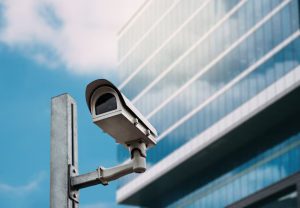
Setting Up Home Security Cameras? Important Things Most People Realise Too Late
Think Carefully About What You Actually Want to Monitor
One of the first things many homeowners overlook is deciding what areas truly need monitoring. It is tempting to place cameras wherever there is a convenient wall or corner, but this approach often leads to poor coverage. Instead, you should think about how people usually approach your property. Front doors, driveways, side entrances, and garden gates are typically the most active areas. These are the points where visitors, delivery drivers, and sometimes unwanted guests are most likely to appear.
When cameras focus on these key locations, they become much more useful. Footage captured at the right angles can clearly show movement and activity around the property. Without this planning, cameras may end up recording empty spaces while missing the areas that matter most.
Understand That Camera Placement Matters More Than the Camera Itself
Many people spend a lot of time choosing the brand or model of their camera, but pay less attention to where it should actually be positioned. In reality, placement often has a bigger impact on effectiveness than the device itself. A poorly positioned camera may capture only the top of someone’s head or miss activity happening just outside its view. Height, viewing angle, and lighting all influence the quality of footage.
For example, a camera placed too high may make it difficult to identify faces. If it is placed too low, it may be easier to tamper with. Good placement usually balances visibility and protection. This is why homeowners sometimes seek guidance during cctv installation to ensure cameras cover entrances, pathways, and driveways without leaving large blind spots.
Be Prepared for Storage and Footage Management
Another detail many people do not think about in advance is how recorded footage will be stored. Cameras that record continuously can quickly create a large amount of data. Depending on the system you choose, footage may be stored on local devices, memory cards, or cloud services. Each option has advantages and limitations. Local storage can offer privacy and control, but it may have limited capacity. Cloud storage can provide easier access to recordings but may require ongoing subscription fees.
It is important to decide how long you want to keep recordings and how easily you can review them when needed. Without a clear plan, managing footage can become confusing or inconvenient.
Remember That Lighting Affects Video Quality
Security cameras rely heavily on lighting conditions to capture clear footage. A camera pointed at a dark entrance or poorly lit driveway may struggle to record useful details. Night vision technology can help in low-light situations, but it still works best when there is some surrounding illumination. Simple additions such as outdoor lights near entrances can significantly improve the clarity of recordings.
Good lighting also has another benefit. A well-lit property often discourages suspicious behaviour in the first place. When cameras and lighting work together, they create an environment where it is much harder for activity to go unnoticed.
Consider Privacy and Neighbour Boundaries
While cameras are meant to protect your home, it is important to remember that they should respect the privacy of others. Cameras should generally focus on your own property rather than pointing directly into neighbouring gardens or windows.
In the UK, homeowners are allowed to use security cameras for protecting their property, but they must still consider data protection rules if cameras capture areas beyond their boundary. Informing neighbours about your system and ensuring cameras face appropriate directions can help avoid misunderstandings. Being thoughtful about privacy keeps your security system both effective and respectful.
Think About How the System Will Be Maintained
Once cameras are installed, they still require occasional attention. Lenses can collect dust or water spots that affect video clarity. Outdoor cameras may also need checks after heavy weather. Software updates are another part of maintenance. These updates often improve performance and address security issues within the system itself. Ignoring them can leave the system outdated or less reliable.
In many cases, homeowners who choose professional security camera installation Leeds services also receive guidance on maintaining the system properly so that cameras continue working as expected over time.
Security Cameras Work Best as Part of a Wider Approach
Finally, it is helpful to remember that cameras are only one piece of home security. While they can discourage certain behaviour and record events, they work best alongside other precautions.
Setting up a system may seem straightforward at first, but taking time to understand these practical details can make a significant difference. With thoughtful planning, your cameras can provide both reassurance and useful information about what is happening around your property.

Leave a Reply