
What Your Volkswagen Is Really Saying Through Diagnostics
There is a point in every Volkswagen owner’s journey where the car starts behaving just a little differently, and it is not always obvious at first because everything still seems to work, the engine runs, the car moves, and nothing feels seriously wrong, yet something in the background is quietly shifting.
That is usually where most people ignore the signs and keep driving as usual, but modern vehicles are not silent machines anymore, they are constantly communicating, and if you know how to understand that communication, you can avoid a lot of unnecessary trouble.
Modern Volkswagens Are Always Monitoring Themselves
Volkswagen vehicles today are built with a network of sensors and control units that track almost every aspect of performance, from engine timing and fuel efficiency to braking systems and emissions, and all of this happens continuously while you drive.
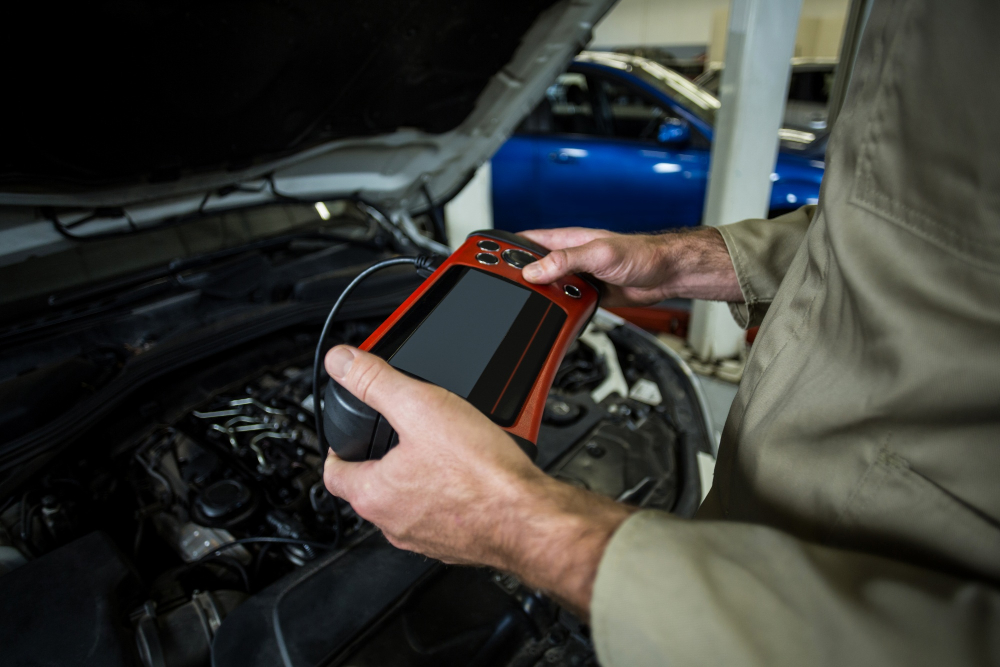
When something does not behave as expected, the system records it and stores data that can later be accessed through VW diagnostics, which is essentially the process of reading and understanding what the car is trying to report about its own condition.
This does not always mean something is seriously wrong, but it does mean the car has noticed something that deserves attention, and acting on it early can make a big difference.
Why Small Issues Stay Hidden for So Long
One interesting thing about Volkswagen engineering is how well the systems adapt to small problems, because the car is designed to maintain a smooth driving experience even when something is slightly off.
For example, if a sensor starts giving inconsistent data, the system may adjust other parameters to compensate, which means you might not feel anything unusual right away, but the issue still exists in the background.
Over time, these small inconsistencies build up, and what could have been a simple fix turns into a more noticeable problem that affects performance, efficiency, or reliability.
The Importance of Reading the Signs Early
Most drivers wait until a warning light appears before taking action, but by that time, the issue may have already developed further than it needed to.
Subtle changes like a slight drop in fuel efficiency, a delay in acceleration, or a different engine sound are often early indicators that something needs checking, and these are exactly the kinds of situations where VW diagnostics becomes useful.
Instead of guessing what might be wrong, proper diagnostics can reveal what the car has already detected, even if the symptoms are still mild.
Why Guesswork Often Leads to Bigger Problems
It is tempting to rely on quick fixes or assumptions when something feels off, especially if the car is still drivable, but with modern Volkswagen systems, guessing can easily lead to the wrong conclusion.
A single issue can trigger multiple symptoms, and without accurate diagnostics, it becomes difficult to identify the actual cause, which can result in unnecessary repairs or replacing parts that are not faulty.
Taking a more informed approach not only saves money but also ensures that the problem is resolved properly, without creating new issues in the process.
Diagnostics Are More Than Just Error Codes
Many people think diagnostics is just about reading fault codes and clearing them, but in reality, it is much more detailed than that, because the data stored in the vehicle includes patterns, timing, and conditions under which the issue occurred.
This information helps technicians understand not just what went wrong, but why it happened, which is essential for preventing the same issue from returning later.
When used correctly, diagnostics becomes a powerful tool for maintaining the overall health of the vehicle rather than just reacting to problems as they appear.
Maintenance and Diagnostics Work Together
Diagnostics alone is not enough if regular maintenance is ignored, because even the best systems cannot prevent wear and tear over time.
Routine servicing keeps essential components in good condition, while diagnostics helps catch issues that are not visible during a standard inspection, and together, they create a more complete approach to vehicle care.
This combination is what keeps a Volkswagen running smoothly over the long term, preserving both performance and reliability.
Stay Aware and Let the Car Guide You
Owning a Volkswagen today is not just about driving, it is about understanding that your car is constantly giving you information, and learning to respond to that information in a timely way.
You do not need to become a technical expert, but you do need to pay attention to changes, take warning signs seriously, and rely on proper tools and knowledge instead of assumptions.
When you approach it this way, you are not just fixing problems, you are preventing them, and that is what keeps your Volkswagen feeling as dependable and enjoyable as it was on the first day you drove it.

Leave a Reply