
Why Personal Training for Longevity Is Becoming More Popular
Health and fitness goals are changing for many people today. Instead of focusing only on quick weight loss or short-term physical results, more individuals are looking for ways to stay active, mobile, and healthy as they grow older. This shift has increased interest in personal training for longevity, where exercise programs are designed to support long-term wellness, strength, flexibility, and overall quality of life.
At the same time, many people are also turning to a holistic personal trainer for a more balanced approach to health. Rather than focusing only on workouts, holistic training often considers recovery, stress levels, mobility, nutrition habits, and mental wellbeing as part of the overall fitness journey. This broader approach can help people build sustainable routines that support healthier living over time.
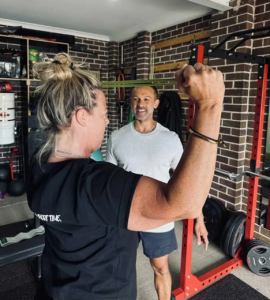
Why Longevity-Focused Fitness Is Gaining Attention
Long-Term Health Is Becoming a Bigger Priority
Many people are beginning to understand that fitness is not only about appearance. Staying healthy for the long term requires consistent movement, strength maintenance, mobility, and healthy daily habits. As lifestyles become more sedentary, people are paying greater attention to exercise routines that support healthy aging and reduce the risk of physical decline later in life.
Personal training focused on longevity usually includes exercises that improve balance, posture, flexibility, and joint health in addition to strength training. These areas become increasingly important with age because they support independence, movement, and overall physical confidence in daily life.
Holistic Training Focuses on the Whole Lifestyle
A holistic personal trainer often looks beyond traditional workout routines. Instead of only measuring progress through physical appearance, holistic training may include guidance related to recovery, sleep quality, stress management, and healthy movement habits throughout the day.
This approach can feel more sustainable for many individuals because it encourages balance rather than extreme fitness routines. Some people find that focusing on overall wellbeing helps them stay more consistent with exercise because the process feels healthier and less restrictive. Long-term consistency often plays a major role in maintaining physical health over the years.
Strength and Mobility Support Healthy Aging
Maintaining muscle strength and mobility becomes increasingly important as the body ages. Reduced movement, poor posture, and lack of physical activity can gradually affect flexibility, balance, and joint function over time. This is why many longevity-focused fitness programs include mobility exercises alongside strength training.
Exercises that improve flexibility and coordination can help support daily movement and reduce physical discomfort. Building strength also supports better posture and overall stability, which may help individuals remain active and independent as they get older. Consistent movement often becomes one of the most valuable habits for long-term health.
Sustainable Fitness Routines Are Easier to Maintain
One reason many people lose motivation with fitness programs is because the routines feel too intense or unrealistic for everyday life. Longevity-based training usually encourages steady and sustainable progress instead of focusing on extreme short-term results.
This balanced approach can help individuals create routines that fit more naturally into their lifestyle. Rather than overtraining, people are encouraged to focus on gradual improvement, proper recovery, and consistency. Small habits practiced regularly over time often create more lasting health benefits than intense routines that are difficult to maintain.
Mental Wellbeing Is Connected to Physical Health
Modern fitness approaches increasingly recognise the connection between physical and mental wellbeing. Exercise is not only important for strength and mobility but also for stress reduction, mood improvement, and overall mental clarity. Many people find that regular movement helps them feel more energetic and emotionally balanced throughout daily life.
Holistic training methods often encourage individuals to develop healthier relationships with exercise instead of viewing fitness as punishment or pressure. This mindset shift can make physical activity feel more positive and enjoyable, which often leads to better long-term consistency and healthier overall habits.
A Balanced Approach Can Support Long-Term Wellness
Fitness goals are evolving beyond short-term physical transformations. More people now want exercise routines that support long-lasting health, better movement, and improved quality of life. Personal training focused on longevity encourages individuals to build sustainable habits that support both physical and mental wellbeing over time.
By combining strength, mobility, recovery, and overall lifestyle awareness, holistic fitness approaches can help people stay active and healthy in a more balanced and realistic way. Consistency, patience, and gradual progress often become the foundation for maintaining better health throughout different stages of life.



Leave a Reply