
How to Improve Livestock Productivity without Stressing the Animals?
Have you wondered how some farms manage to increase productivity and keep their animals calm? Improving livestock productivity does not always mean pushing animals harder. In fact, the best results often come from focusing on animal welfare and reducing stress. Stress-free cattle remain healthier, more productive, and easier to manage. Modern farming is shifting toward more humane and efficient practices that benefit both farmers and animals.
Stress-Free Ways to Improve Your Livestock Productivity
Prioritise Regular Health
Healthy animals are productive animals. Regular health maintenance plays a major role in reducing stress. You often overlook hoof care. Hoof issues or lameness can lead to pain, reduced feeding, and lower productivity. Hoof trimming services help prevent long-term problems and ensure animals remain comfortable on their feet. When cattle move freely without pain, they can graze properly, maintain good body condition, and produce higher yields.
Focus on Low-Stress Handling Techniques
Animals are highly sensitive to their environment. Rough handling can lead to fear, injuries, and reduced performance. Focus on quiet working environments, calm movement, and proper handling systems. Avoid fast movements, sudden noises, or overcrowding, as these can trigger stress responses in cattle. When animals feel safe, they eat better, grow more efficiently, and maintain stronger immunity. Over time, this directly improves milk production, weight gain, and overall herd performance.
Use Safe and Efficient Cattle Handling Equipment
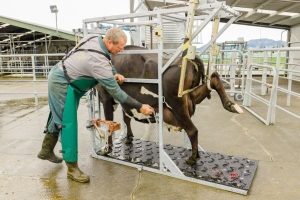
The right equipment can make a noticeable difference in reducing stress during routine farm operations. Nowadays, modern livestock facilities use advanced handling systems that improve safety for both animals and handlers. Tools like the Wopa cattle crush can securely hold cattle during procedures such as health checks, vaccinations, and hoof care. When you keep animals in a calm and stable environment, they experience less fear and movement-related stress.
Maintain a Consistent Feeding and Environment Routine
Consistency is essential when it comes to livestock comfort and productivity. Animals thrive on predictable routines, including regular feeding times, access to clean water, and stable living conditions. Sudden changes in diet, poor ventilation, or overcrowded housing can increase stress levels and negatively impact health. When you maintain a stable environment, you help animals conserve energy and focus on growth and production. Good nutrition and a calm environment ensure the cattle remain healthy, productive, and less prone to illness.
Provide Adequate Rest and Comfortable Housing
Comfortable housing plays a key role in reducing livestock stress. Ensure cattle have enough space to move, lie down, and rest comfortably. Clean bedding, proper shelter, and protection from extreme weather conditions help improve animal welfare. Well-rested animals are healthier, experience fewer illnesses, and maintain better productivity levels throughout the year.
Monitor Herd Behaviour Regularly
Regular observation helps identify signs of stress, illness, or discomfort before they become serious problems. Changes in feeding habits, movement, or social behaviour can indicate underlying issues. Early intervention allows farmers to address concerns quickly, improving animal well-being and supporting consistent productivity across the herd.
Improving livestock productivity is not about pushing animals harder; it is about creating conditions where they can naturally perform at their best. When animals are calm, comfortable, and healthy, they reward you with better performance, stronger growth, and more sustainable results.



Leave a Reply