
Why Commercial Properties in Canterbury Are an Easier Target Than You Think
Running a business takes everything you have. The early mornings, the late nights, the constant attention to staff and customers and cashflow and compliance. Security, somewhere along the way, becomes one of those things you mean to sort out properly but keep pushing down the list.
That gap between intention and action is exactly what makes commercial properties vulnerable.
Businesses Face Different Risks Than Homes
Residential security and commercial security are related but distinct problems. A home is used primarily by a small, consistent group of people at predictable times. A business is accessed by staff, customers, contractors, delivery drivers, and sometimes the general public, across multiple shifts, across varying hours, often with multiple entry and exit points.
That complexity creates more opportunity for things to go wrong. More people means more chance of an internal incident. More entry points means more potential weaknesses. Irregular hours mean periods of low oversight that can be exploited.
The Visibility That Cameras Provide
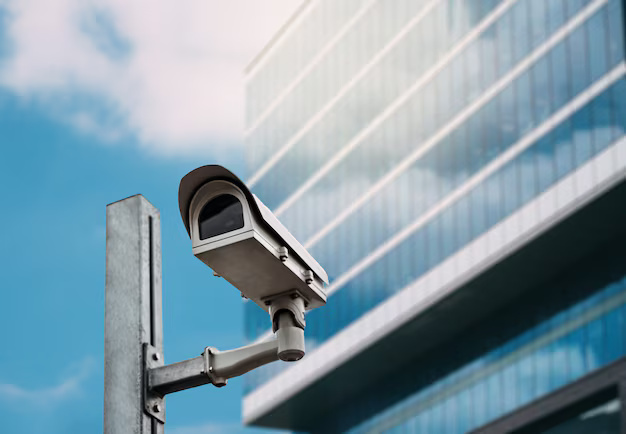
Commercial CCTV Canterbury business owners are installing does more than just record what happens. It creates accountability throughout the working day. Staff behaviour, customer interactions, stock movement, delivery verification. Cameras do not just protect against external threats. They create a documented record of everything that moves through your business.
That documentation has resolved disputes, identified procedural failures, and in more than a few cases, uncovered internal theft before it became a catastrophic problem. The value of that visibility is hard to overstate.
After Hours Is When It Really Counts
The hours between closing up and opening again are when commercial properties are most exposed. No staff. Limited oversight. A clear window for anyone watching to make a move.
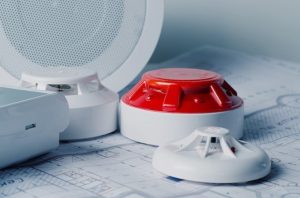
This is where properly designed business security systems Canterbury enterprises rely on do their most important work. Perimeter cameras that trigger alerts when motion is detected in restricted areas after hours. Alarm systems that notify monitoring stations immediately. Access logs that show exactly who accessed which door and when.
The combination of these layers means that even when no one is physically present, your business is not unprotected. It is watched. And that distinction matters enormously.
The Cost of Doing Nothing
Under-insured and under-protected commercial properties are not just vulnerable to loss. They are vulnerable to disruption. A break-in does not just cost you whatever was taken. It costs you the time to deal with insurance claims. The stress of a violated space. Potentially, the loss of data or customer records. The impact on staff who feel unsafe returning to work.
The downstream effects of a single incident can ripple for months. Good security investment is, in part, business continuity planning.
Tailor It to Your Business
There is no single commercial security setup that fits every business. A small retail shop has different needs from a warehouse. A professional services firm has different vulnerabilities than a hospitality venue. The most effective systems are designed around the specific layout, workflow, and risk profile of each individual business.
That design work, done properly upfront, saves a lot of costly retrofitting later. And it means your system actually works for your environment rather than against it.

Leave a Reply